Where do Locals Eat?
At home.
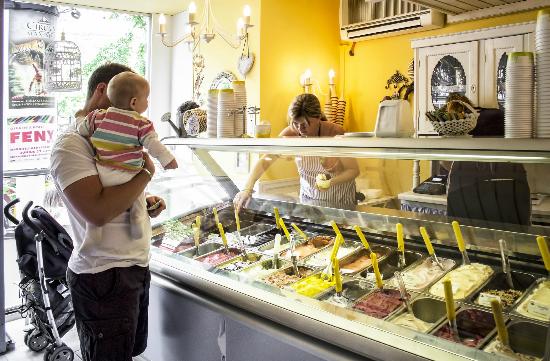
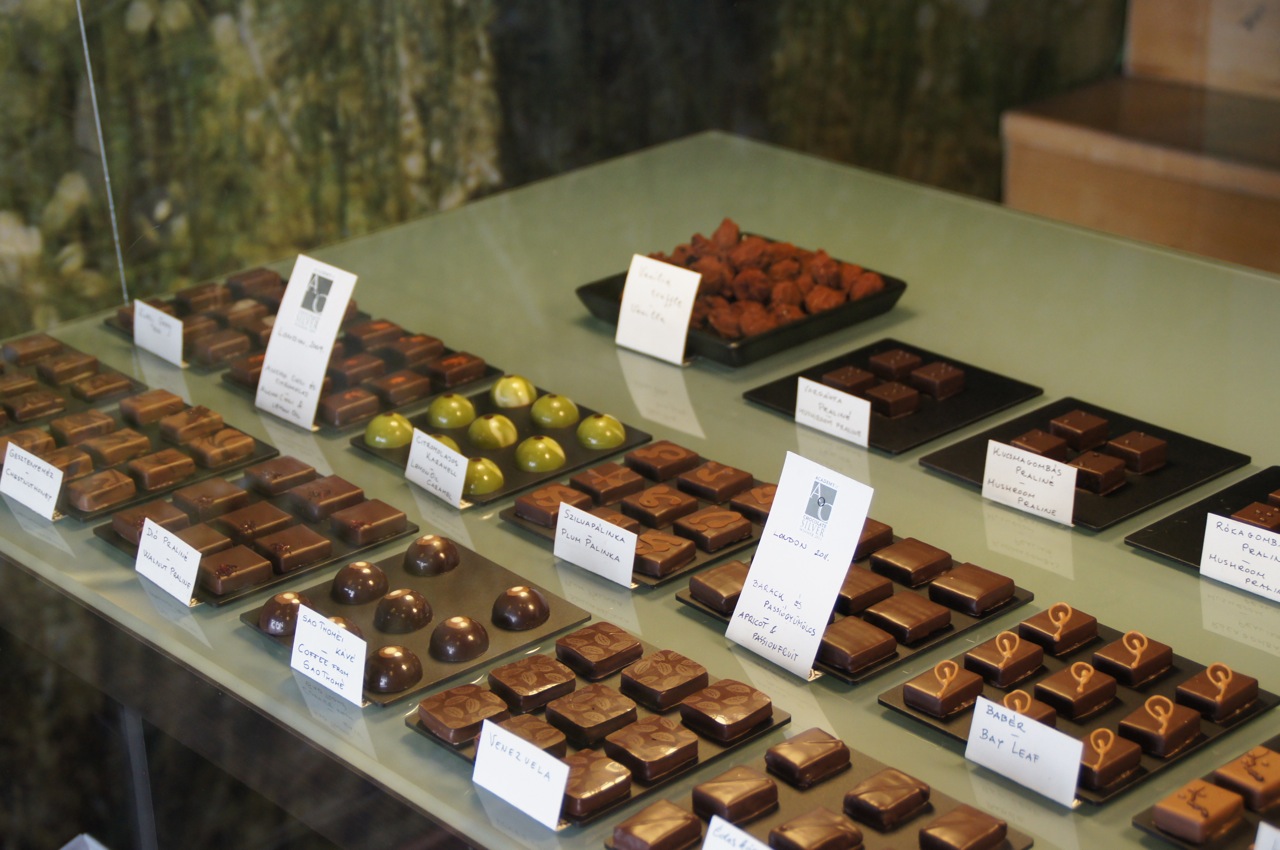
There’s a vibrant cafe and patisserie life. People have coffee out, sit and chat, have a chestnut puree or a Dobos Torta or an Esterhazy Torta; share a beer, linger over a glass of wine. They grab a quick lunch or have it delivered to work. But most people don’t understand the reason to eat less well for more money at a time one should be spending with family. So most restaurants most of the time will be filled with tourists or expats or businesspeople entertaining or doing business.
The things that draw people to restaurants are: huge portions, exotic cuisines, bargains. Not traditional Hungarian dishes.
Breakfast
Breakfast is just emerging as a meal that anyone eats out. For croissants and viennoiserie, I favor the Gerloczy Cafe, Cafe Vian, Ket Szerecsen. There’s a great new breakfast-only restaurant on a tiny side street: Zoska. Most cafes that are open in the morning will have something you can eat — a croissant or a pastry — Jeg Bufe is high on my list, August Cukraszda is a more pleasant sit and higher end pastries.
Lunch
Etkezdek
Lunch-only for the most part, these places are like American diners, or like UK pubs (without the alcohol), but ultimately all their own thing. A few tables, some high counters to stand and eat at, or some stools as perches, a counter to order at most of the time, or occasionally waitstaff will take your order and then you pay on the way out (Kadar Etkezde is the notable example of this. Generally not open until late afternoon. A menu of options available every day, but most of what’s being cooked varies from day to day — these are places that people go to every day from their workplace or their home, they don’t want the same menu all the time, though they surely have favorites in the repertoire.
When these are great — which is exceedingly rarely — they’re a dream: someone with talent in the kitchen, large portions (almost always available as half orders as well), good basic, traditional dishes. There’s always fried stuff: chicken or fish, mushrooms, cauliflower..breaded and deep fried. Hot table stuff, some roasts of indeterminate meat, some stuff made to order, one or more hot soups, in summers a cold soup, a fozelek or two (fozelek is Hungarian comfort food, vegetables overcooked until almost falling into puree, in a flour thickened cream sauce/almost soup. Heavy, dense, usually a bit sweet. Peas or green beans or zucchini or squash. This is what passed for lunch or dinner most days when food was scarce during and after WW II. The governing metric is not taste but fulfillingness. Did you stand up still wanting to eat? A failure. Do you have trouble standing up, an inability to move your limbs, the feeling that you’ll never eat again? That’s a great fozelek!
Among the Etkezdek/Etelbarok (essentially similar to etkezdek, perhaps open for dinner as well and with more seating on average) worth a modest detour:
Tepertu
Kamra Bisztro
Főzelékfaló
Kicsi Mama
Heti (weekly) or Napi (daily) or Mai (also daily) Menus
Most places will have an ala carte lunch menu and also offer a daily special 2- or 3-course meal. These are virtually breakeven menus for very little money. Perhaps as low as 890 Forints (less than 3 Euros) for three courses. Up to about 1490 Forints.
They have to stretch the concept a bit to make it all work financially, so an apple could be a course, but these are often great deals if the options suit your taste at the time. They run out, when good that can happen fast, so don’t expect to wander in at 1:30 and have them still available. Sometimes they’ll make a substituted menu, mostly not.
They’re not crazy about sharing these with tourists, the cash cows of the lunch meal. So you may not be offered the menu when you sit down (usually there will be a sign in the window or on the street that says Heti Menu or Napi Menu or Mai Menu or Just Menu. If you see it outside but they don’t give you a copy of the menu, ask about it.
Businessman’s Lunch
When the daily menu starts to creep up above 1500 Forints, it tends to be put out as a Businessman’s Lunch: again 2-3 courses, often in a very fancy restaurant at prices that make it much more approachable than at dinner time or ala carte, though again it’s a fixed menu with no, or very few, choices. They can go as high as 4000-5000 Forints. Macesz has a very good version, as does the Gerloczy, and if I’m not mistaken, Csalogany 26.
Hus Hentesaru
Traditionally, many butcher shops would sell a small range of prepared foods for take away, which then expanded bit into stand-up tables where you can eat what you buy at the counter. Heavy on wursts, roasts, and fried meats and vegetable, some also have steam tables.
Brumi (large steam table stand up rest, and the best of the lot, on the mezzanine of the Central Market)
Balla-Hus Hentesbolt (Hentesbolt = Butcher)
Belvarosi Disznotoros (City Center Pork)
Kotkoda Baromfibolt (a chicken butcher that sells great fried chicken at lunch time)
Dinner
Classic Hungarian Meals
Nothing fancy, just the traditional dishes made, perhaps a little bit better than at most of the tourist places. You’ll find a decent number of Hungarians among the guests, often in parties or celebrations:
Rakoczi Etterem
Pozsonyi Kisvendeglo
Epitesz Pince
Pater Bonifac
To See and Be Seen
Biginning
Evidens
Cafe Kor
Comme Chez Soi
St Andrea
Fire
Mensa
Zsidai restos